
Civil Engineering vs Structural Engineering
You hear terms like structural calculations site plans and building control but one of the most common points of confusion for property owners in Corby and across the surrounding regions is the difference between a Civil Engineer and a Structural Engineer.
While these two disciplines share a common ancestry in the world of physics and mathematics hiring the wrong professional or failing to understand their distinct roles can lead to significant delays budget overruns and even planning permission rejections. This guide provides a deep dive into both fields to help you make an informed decision for your residential or commercial development.
What is Civil Engineering?
Civil engineering is essentially the macro view of the built environment. It is the broadest branch of engineering focusing on the design construction and maintenance of the physical and naturally built environment. This includes the massive infrastructure that we often take for granted such as roads bridges canals dams and complex sewerage systems.
In a residential or commercial development context a civil engineer is responsible for the externalities of the site. They ensure the land is prepared correctly and that the building interacts safely with the surrounding environment. They look at how water moves across the land how vehicles enter and exit the property and how the building connects to the wider municipal grid.
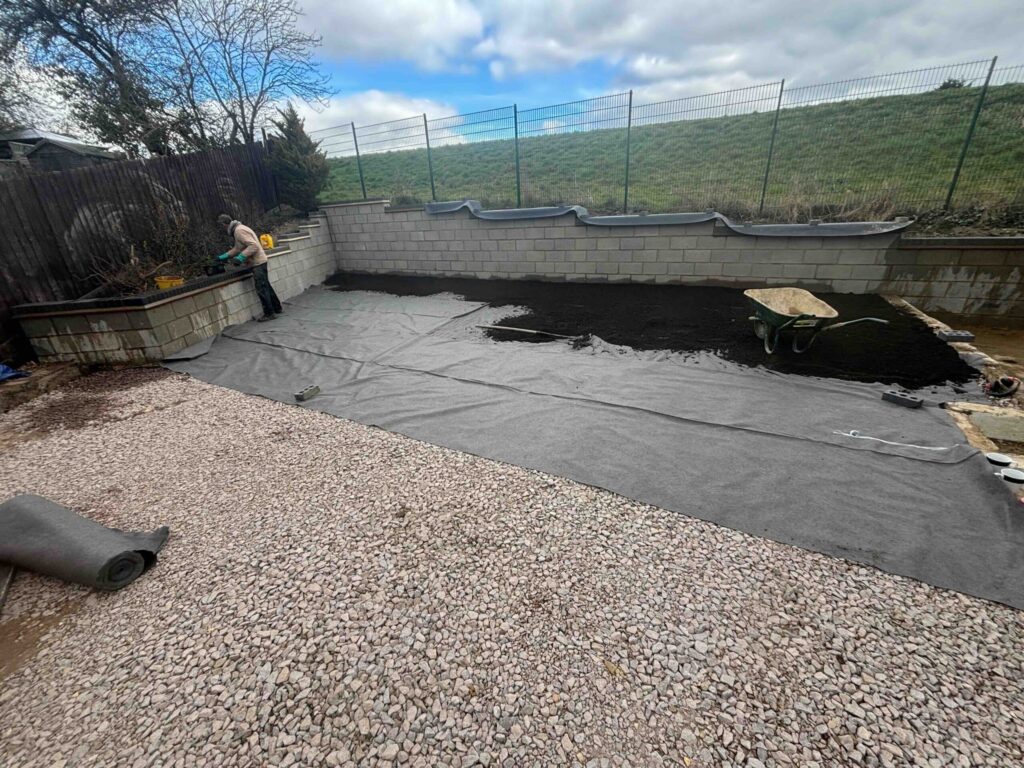
Key Responsibilities of a Civil Engineer
• Site Grading and Drainage: One of the most critical roles is ensuring rainwater flows away from buildings to prevent flooding or damp. This often involves designing Sustainable Drainage Systems known as SuDS to manage surface water runoff.
• Infrastructure Design: Designing the access roads pavements and utility connections that allow a building to function within its community.
• Environmental Impact and Sustainability: Assessing how a new project affects the local ecosystem water table and soil stability.
• Geotechnical Investigations: Before a single brick is laid civil engineers often oversee the analysis of the ground to ensure it can support the intended loads.
What is Structural Engineering?
Structural engineering is a specialised sub discipline of civil engineering. If civil engineering is the site then structural engineering is the skeleton. A structural engineer’s primary goal is to ensure that a building is safe stable and capable of withstanding the loads placed upon it throughout its entire lifespan.
At Damax Structural Engineering we focus on the micro integrity of the build. We calculate the exact strength of materials needed whether it is steel timber masonry or concrete. Our role is to ensure your home or commercial unit remains standing under all conditions including heavy winds snow loads and the weight of the people and furniture inside.

Key Responsibilities of a Structural Engineer
• Structural Calculations: This is the core of the service. We provide the mathematical proof that every beam column and joist can support the weight above it. These calculations are essential for Building Control approval.
• Foundation Design: Analysing soil conditions to design specific footings that prevent subsidence or heave. This is particularly vital in areas with varying soil types.
• Renovation and Alteration Safety: Assessing if a load bearing wall can be removed safely to create an open plan living space and specifying the exact steel lintel required to take the weight.
• Material Specification: Choosing the right grade of steel or the specific density of concrete to ensure longevity and safety without unnecessary costs.
Why the Distinction Matters for Your Property
For most homeowners in Corby Kettering and the surrounding areas the Structural Engineer is the most vital partner. If you are planning an extension a loft conversion or simply want to knock through a kitchen wall it is the structural engineer who provides the legal paperwork required by your local Building Control officer.
Without these calculations you cannot get a completion certificate for your project. This document is vital because without it you may struggle to secure insurance or sell your home in the future. Buyers and mortgage lenders require proof that any structural changes were designed by a qualified professional.
When do you need a Civil Engineer?
You typically need a civil engineer if you are working on a large scale development. This might include a new housing estate where you need to design complex drainage systems or new road access points that meet council standards. They are also essential for projects involving land reclamation or significant changes to the natural landscape.

When do you need a Structural Engineer
You need a structural engineer for almost any physical change to a building’s structure:
• Home Extensions: To design the foundations and the roof supports that tie into the existing house.
• Internal Alterations: To specify the size and placement of steel beams when removing internal walls.
• Loft Conversions: To determine if the existing ceiling joists can handle the weight of a new floor and furniture.
• Chimney Breast Removal: To ensure the remaining stack is supported correctly using gallows brackets or steel beams.
• New Builds: To provide the full structural framework that ensures the building remains rigid and safe.
The Importance of Building Regulations Compliance
In the United Kingdom all structural work must comply with Part A of the Building Regulations. These regulations set the standards for the structural integrity of buildings. A structural engineer is the only professional qualified to produce the technical evidence that your project meets these safety standards.
When we submit a pack of calculations to Building Control we are essentially providing a guarantee that the design is safe. This process protects you from rogue builders who might suggest using a beam that is too small or foundations that are too shallow. By having a professional design you ensure your investment is protected.

Understanding Soil Conditions in Northamptonshire
The local geography of Corby and the wider Northamptonshire area presents unique challenges for engineering. The region sits on a variety of soil types including heavy clays ironstone and limestone pockets.
Clay soils are particularly tricky because they are shrinkable. They expand when wet and shrink when dry which can cause foundations to move if they are not designed at the correct depth. Structural engineers at Damax understand these local variations. We design foundations that account for the specific geology of your garden ensuring that your extension will not suffer from cracks or movement in the years to come.
The Cost of Engineering vs the Cost of Failure
One of the biggest mistakes a property owner can make is trying to save money by skipping the engineering phase. While there is a fee for professional calculations the cost of a structural failure is infinitely higher.
If a beam is undersized the ceiling may sag or the walls above may crack. Fixing these issues after the build is finished is incredibly expensive and disruptive. Furthermore insurance companies will often refuse to pay out for damages if the work was not supported by professional engineering designs. Investing in a structural engineer at the start of your project is an investment in the long term value of your home.
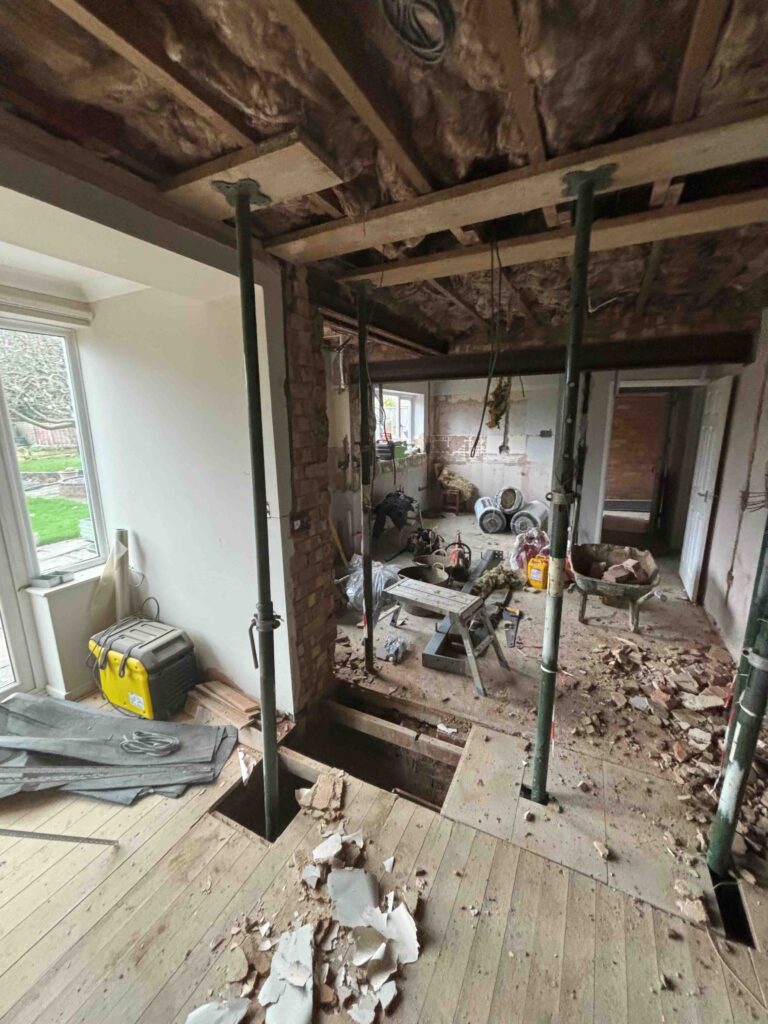
The Damax Advantage Engineering Excellence in Corby
With over 40 years of experience Damax Structural Engineering bridges the gap between complex physics and practical construction. We understand that you want a beautiful home that is also safe. Our approach is built on clarity and efficiency. We do not just provide numbers we provide peace of mind.
By working closely with your architect and your builder we ensure that the structural elements of your project are integrated seamlessly. This prevents the over engineering that often inflates construction costs. We believe in providing the most elegant and cost effective solution for every project whether it is a small wall removal or a large commercial warehouse.
Moving Toward Your Dream Build
Understanding whether you need a civil or structural engineer is the first step toward a successful project. For the vast majority of residential and commercial building work a structural engineer is your primary point of contact for safety and compliance. They turn the vision of the architect into a physical reality that will stand the test of time.
The best projects do not just look at the bones of the building they look at how those bones support a beautiful design. By combining engineering precision with architectural vision you can create a space that is both stunning and secure.
Explore our guide on Structural Engineering with Architecture to see how we combine these two worlds to create stunning buildable homes.
Ready to secure your project's future
Do not guess when it comes to structural safety. Get expert advice and precise calculations from the local team at Damax. We are here to help you navigate the complexities of building regulations and structural design.